6 hours ago
Queer on the Coast: Why Newcastle Is Emerging as Australia’s Unexpected LGBTQIA+ Haven
READ TIME: 7 MIN.
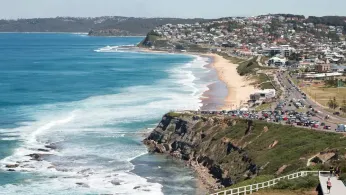
Stand on Newcastle’s working harbour at dusk and you can watch coal ships slip out to sea as surfers carve the last waves off Nobbys Beach. Behind you, renovated warehouses host galleries, vintage stores, and small bars flying rainbow stickers in their windows. This regional city on Awabakal and Worimi land, about a two-hour train ride from Sydney, has been steadily shaking off its industrial stereotype and emerging as a queer-friendly coastal hub that rarely appears on mainstream LGBTQIA+ travel lists.
Newcastle’s transformation is not accidental. Over the past decade, investment in the arts, hospitality, and public spaces has coincided with a visible growth in LGBTQIA+ community life, from regular drag nights and inclusive sports clubs to an annual pride festival that now draws visitors from across New South Wales. Unlike Sydney’s tightly defined “gaybourhoods”, Newcastle’s queer culture is woven into its everyday streets: small venues, beachside gatherings, and community-led events that make the city feel welcoming rather than overwhelming.
For much of the 20th century, Newcastle was known primarily as a steel and coal town, dominated by the BHP steelworks and one of the world’s largest coal-exporting ports. When the steelworks closed in 1999, the city entered a period of economic and cultural reinvention that opened space for new creative and social communities, including LGBTQIA+ people, to reshape its identity.
Today, visitors arrive to find a compact CBD whose heritage buildings house independent galleries, creative studios, and bars, many of which explicitly promote inclusive values. Newcastle Museum highlights the city’s industrial and maritime history, while nearby streets like Hunter Street and Darby Street feature public art, cafes, and shops that contribute to a more progressive and youth-driven atmosphere.
Tourism and official visitor guides describe Newcastle as relaxed, friendly, and increasingly attractive to artists, students, and young professionals, demographics that research has shown often correlate with more visible and accepted LGBTQIA+ communities in Australian urban areas. While these reports rarely single out queer people explicitly, they document social changes—such as support for diversity and growth in creative industries—that correspond with the inclusive culture many LGBTQIA+ visitors encounter on the ground.
Newcastle now hosts a dedicated pride festival, Newcastle Pride, founded in 2018 as a not-for-profit organization to celebrate LGBTQIA+ communities in the Hunter region. The festival program has included a Fair Day, parties, drag performances, and community events across multiple venues. In 2019, Newcastle Pride partnered with the City of Newcastle to stage events in civic spaces, signaling growing institutional support.
Beyond the main festival, local venues regularly host LGBTQIA+-focused nights. The Hamilton and Islington precincts, known for pubs and live music, have seen drag shows and queer-focused events programmed throughout the year. Community organizers and performers from the Hunter region have also collaborated with Tropical Fruits, the long-running LGBTQIA+ social group based in nearby Lismore, which is known nationally for its New Year’s Eve parties and regional queer gatherings.
According to Tourism Australia’s LGBTQIA+ travel guidance, regional hubs such as Newcastle are part of a broader pattern in which Australian towns outside the major capitals are building their own pride events and queer spaces, supported by anti-discrimination laws and a generally welcoming legal framework for LGBTQIA+ people. New South Wales law prohibits discrimination on the basis of sexual orientation and gender identity in areas such as employment, education, and provision of goods and services, protections that apply equally in Newcastle as in Sydney.
The city’s beaches and ocean baths form a major part of its appeal. Newcastle Ocean Baths and the Art Deco-style Merewether Ocean Baths are widely featured in tourism materials as iconic places to swim and socialise year-round. While official guides do not designate specific “gay beaches”, LGBTQIA+ locals and visitors use these public spaces alongside everyone else, benefiting from a casual coastal culture where same-sex couples and gender-diverse people can generally enjoy the water and promenades without drawing undue attention.
Newcastle’s arts scene is a key part of what makes it feel culturally rich for LGBTQIA+ travelers. The Lock-Up, a contemporary art space housed in a former police station and jail, is known for hosting exhibitions and events that explore social justice, identity, and experimental practice. Its programs have included works by queer and gender-diverse artists, aligning with a broader commitment in Australian contemporary art to platform marginalized voices.
The nearby Newcastle Art Gallery, one of Australia’s leading regional galleries, houses a collection of modern and contemporary Australian art, including works that engage with sexuality, gender, and social change. While the gallery’s cataloguing does not sort works by artists’ sexual orientation or gender identity, curatorial texts and exhibitions have addressed LGBTQIA+ subject matter as part of Australian cultural history, which offers queer visitors a point of connection.
Nightlife for queer visitors is less about a single “gay bar” and more about an ecosystem of inclusive venues. Small bars and live music spaces in the city centre and along Hunter Street often display rainbow symbols and host drag, cabaret, and themed dance nights. This dispersed model echoes Tourism Australia’s observation that outside the biggest capitals, LGBTQIA+ social life in Australia is often integrated into broader community spaces rather than confined to standalone venues.
Sport is another surprisingly important element of Newcastle’s queer-friendly environment. The city has a strong sporting culture, particularly around rugby league and surfing. Across Australia, LGBTQIA+ inclusion in sport has been a public focus, with organizations such as Pride in Sport working with clubs nationally to improve participation and visibility for LGBTQIA+ people. Local clubs in the Hunter region have taken part in national inclusion initiatives, such as rainbow rounds and policies against homophobia and transphobia, which contribute to a safer environment for LGBTQIA+ players and fans.
For travelers who enjoy connecting through movement, Newcastle’s cycleways and coastal walks, including the Bathers Way, provide accessible outdoor activities that are popular among both locals and visitors. Public health and tourism material notes that these shared spaces can foster social interaction and community building, which many LGBTQIA+ travelers value when exploring new cities.
Any queer-focused exploration of Newcastle is also an opportunity to engage with the city’s deeper cultural layers. The area is the traditional Country of the Awabakal and Worimi peoples, whose connection to land, water, and sky is central to local identity. Aboriginal cultural tours and interpretive signage around the coastline and Blackbutt Reserve introduce visitors to stories of creation, navigation, and resilience that predate colonial industry and contemporary tourism.
Across Australia, Aboriginal and Torres Strait Islander communities include diverse understandings of gender and sexuality, including sistergirl and brotherboy identities among some Torres Strait Islander and Aboriginal peoples, although these specific identities are more commonly documented in northern and central regions rather than in Newcastle itself. National LGBTQIA+ Aboriginal and Torres Strait Islander organizations, such as Black Rainbow , highlight the importance of culturally safe spaces for First Nations LGBTQIA+ people and advocate for intersectional inclusion in cities across the country.
While Newcastle’s tourism materials focus primarily on broader reconciliation initiatives and cultural heritage, the presence of First Nations-led arts and community programs contributes to a more nuanced understanding of inclusion, one that queer travelers can seek out by attending exhibitions, performances, or community events led by Aboriginal and Torres Strait Islander people.
For international visitors familiar with Sydney’s Mardi Gras or Melbourne’s Midsumma, Newcastle offers a different pace and scale. Tourism Australia notes that while major cities remain focal points for LGBTQIA+ travel, regional centers like Newcastle provide more relaxed environments where many visitors feel comfortable showing affection in public, accessing services, and engaging with local communities. This comfort is shaped by Australia’s nationwide legal recognition of marriage equality in 2017 and federal protections against discrimination based on sexual orientation, gender identity, and intersex status in key areas of public life.
Newcastle’s relative affordability compared to Sydney, combined with its beaches and university presence, has attracted students and creatives, including LGBTQIA+ people, from across New South Wales. The University of Newcastle promotes equity and diversity initiatives, including support services for LGBTQIA+ students and staff, which contributes to a visible youth queer culture in and around the city. Campus-based queer collectives and events often spill into city venues, reinforcing the sense that Newcastle is an emerging node in Australia’s broader rainbow map rather than a peripheral outpost.
National queer travel guides frequently highlight Sydney, Melbourne, Brisbane, Canberra, Hobart, Adelaide, Perth, and specific regional destinations such as Daylesford and the Lismore region as LGBTQIA+ hotspots. Newcastle appears less often in these lists, despite having an established pride festival, inclusive arts institutions, and visible community activity documented by local government and community organizations. This gap between on-the-ground reality and destination marketing is precisely what makes Newcastle feel like a hidden gem: queer travelers can experience a living, evolving community rather than a fully commercialized scene.
For LGBTQIA+ visitors seeking a blend of coastal landscapes, contemporary Australian culture, and everyday queer life, Newcastle offers:
- Accessible transport: regular trains from Sydney and an airport with domestic connections.
- Walkable urban cores: a city centre and adjacent suburbs that can largely be explored on foot or by light rail.
- Inclusive events calendar: from Newcastle Pride to gallery openings, live music, and community markets where diversity is visible and welcomed.
- Legal and social protections for LGBTQIA+ people embedded in state and federal law, reinforcing a general expectation of respect and safety.
For queer travelers used to the intensity of major festivals, Newcastle’s appeal lies in slower rhythms: morning swims in historic ocean baths, afternoons spent with contemporary art and coffee, evenings listening to live music or watching drag in venues where regulars greet each other by name. It is a city still in the process of defining itself, which means LGBTQIA+ visitors are not just spectators but potential participants in an evolving, locally-rooted queer culture.